The Handshake That Predicts Your Future
In clinical research settings, grip strength is measured with a handheld dynamometer — a simple device that records the maximum force a person can apply by squeezing. The measurement takes about 30 seconds. It is cheap, reproducible and requires no specialist interpretation. And according to a body of evidence now spanning millions of subjects and several decades of follow-up data, it is one of the most informative single measurements available about a person's future health.
Grip strength predicts cardiovascular mortality, all-cause mortality, hospitalisation following surgery, recovery from illness, risk of disability in old age and — more surprisingly — cognitive decline and dementia risk. The associations hold across populations, across cultures, across income levels and across age groups from middle-aged adults to the very old. The consistency is striking enough that several research groups have argued it should be incorporated into routine clinical assessments alongside blood pressure and BMI.
Why Does a Hand Metric Predict So Much?
The most straightforward explanation is that grip strength is a proxy for overall muscle mass and muscle quality. Sarcopenia — the progressive loss of skeletal muscle that occurs with ageing — is a major driver of disability, metabolic dysfunction and vulnerability to illness. Grip strength tracks this loss reliably because hand muscles, like all skeletal muscle, reflect the overall state of the musculoskeletal system.
Muscle mass matters for health far beyond the obvious functions of movement and strength. Skeletal muscle is the body's primary site of glucose disposal — the largest insulin-sensitive tissue in the body. People with greater muscle mass handle post-meal blood glucose more effectively. Muscle also acts as an amino acid reservoir that the body draws on during illness and recovery; people with low muscle mass have less physiological reserve when they become seriously ill. This is why low grip strength predicts worse surgical outcomes: it identifies patients with depleted reserve who will struggle more with the physiological stress of an operation.
The Cardiovascular and Cognitive Links
A landmark study published in The Lancet in 2015 — the Prospective Urban Rural Epidemiology (PURE) study — tracked 142,861 adults across 17 countries for nearly four years. Every 5 kg decrease in grip strength was associated with a 17 percent higher risk of cardiovascular mortality, a 7 percent higher risk of heart attack and a 9 percent higher risk of stroke. The association was stronger than that of systolic blood pressure at the same time points.
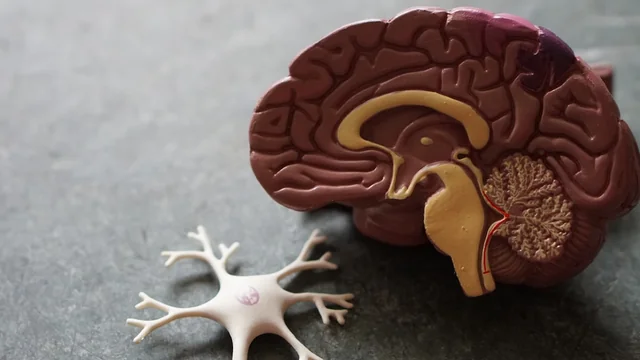
The cognitive association is less intuitive but equally consistent. Grip strength predicts dementia risk in middle-aged adults with a decade or more of follow-up. The proposed mechanism involves the relationship between muscle and the brain: skeletal muscle releases myokines — hormone-like signalling molecules — during contraction, including BDNF (brain-derived neurotrophic factor), which promotes neuronal survival and the growth of new neurons. People with greater muscle mass and physical fitness produce more BDNF and show slower rates of hippocampal atrophy with ageing.
What to Do About It
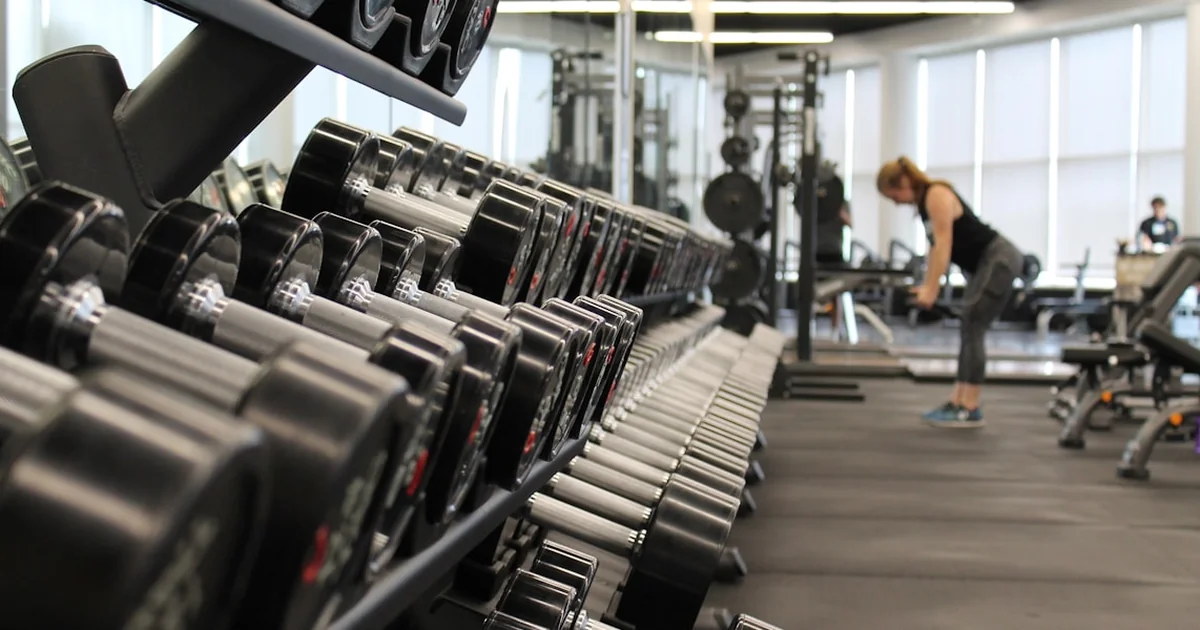
Grip strength improves with resistance training. Compound exercises like deadlifts, rows and pull-ups build grip strength alongside broader muscle mass. Specific grip training — using tools like stress balls, grip trainers or thick-bar training — produces additional gains. For older adults in particular, progressive resistance training has been shown not only to improve grip strength but to reverse early sarcopenia, improve insulin sensitivity and reduce fall risk. The goal is not to have an impressive handshake — it is to maintain the muscle mass that acts as a buffer against the physiological vulnerabilities of ageing.