The Effect That Should Not Work — But Does
The placebo effect has been dismissed as "just psychology" for most of the history of medicine — as if psychological processes are somehow separate from biological ones, and as if an effect that exists only in the mind does not count as a real effect. Both assumptions are wrong, and the field of placebo research has accumulated enough rigorous evidence over the past two decades to make this clear beyond serious dispute.
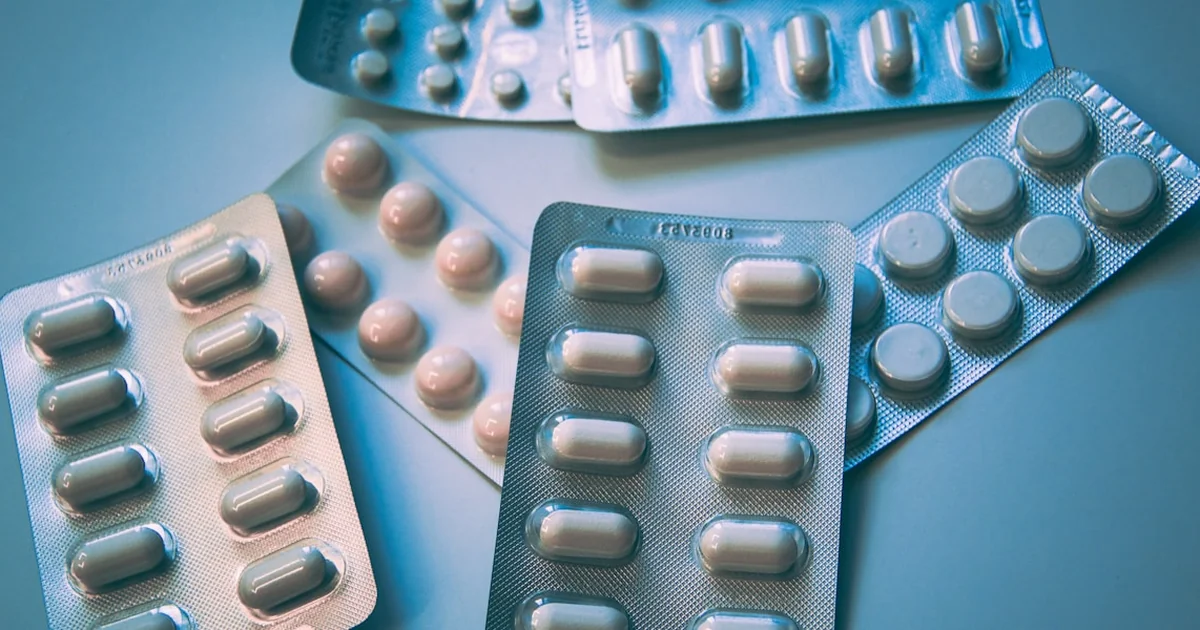
The most direct demonstration of placebo's biological reality is the open-label placebo trial — studies in which participants are explicitly told they are receiving a treatment with no active ingredient. These trials were considered almost conceptually impossible before they were run: surely telling someone it is a fake treatment would eliminate any expectation-based effect? The results consistently show otherwise.
The Open-Label Placebo Trials
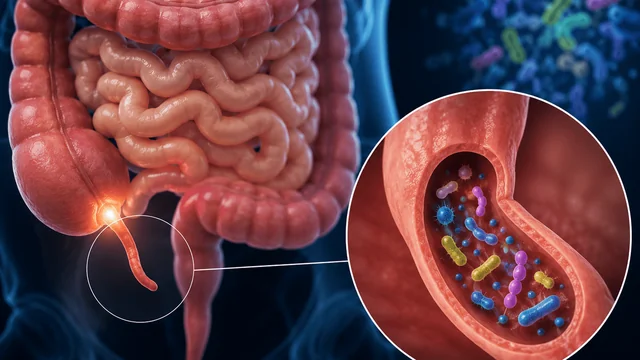
In a 2010 study by Ted Kaptchuk's group at Harvard Medical School, 80 patients with irritable bowel syndrome were randomised to receive either open-label placebo pills — labelled as such on the bottle — or no treatment. The placebo group received no deception. They were told the pills contained inert ingredients but that placebos can produce real physiological effects through the mind-body connection. After three weeks, the open-label placebo group showed symptom improvement scores nearly double those of the no-treatment group, including on objective measures of bowel function. A 2016 follow-up with chronic low back pain patients found similar results.
Since then, open-label placebo trials have been conducted in cancer-related fatigue, ADHD, allergic rhinitis and several other conditions — with consistently positive results. The magnitude of benefit is sometimes smaller than that seen in blinded placebo studies, but it is consistently larger than no treatment.
The Neurobiology
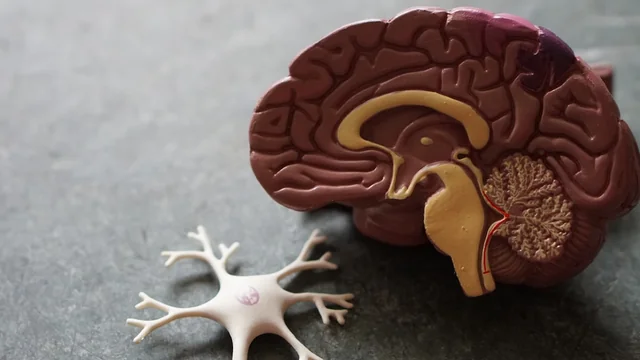
The brain mechanisms underlying placebo responses are increasingly well characterised. Placebo analgesia — pain relief from placebos — involves the release of endogenous opioids: studies using naloxone, an opioid receptor blocker, have shown that blocking these receptors substantially reduces placebo pain relief, confirming that real biochemical changes are occurring. Endocannabinoids, dopamine and serotonin have all been implicated in various placebo responses depending on the condition and the expectation being induced.
Neuroimaging studies show that placebo treatment activates overlapping brain regions to active treatment in pain, Parkinson's disease and depression. Parkinson's patients given placebos they believe to be dopamine replacement therapy show actual release of dopamine in the striatum — a finding with direct functional consequences. The brain, given the expectation of relief, creates chemical relief.
What This Means for Medicine and Self-Care
The practical implications extend beyond the treatment of illness. The expectation and framing around any treatment — whether pharmacological, behavioural or surgical — influences its effectiveness. A patient who is told a medication is likely to help experiences more benefit than one told it might or might not work, even at identical doses. The quality of the clinical relationship, the ritual of taking a treatment and the confidence of the practitioner administering it all contribute to outcomes through placebo mechanisms that operate on top of any active treatment effects. This is not a reason to use placebos deceptively — it is a reason to take the therapeutic context seriously as a genuine component of care.