When the Brain Confuses Two Different Needs
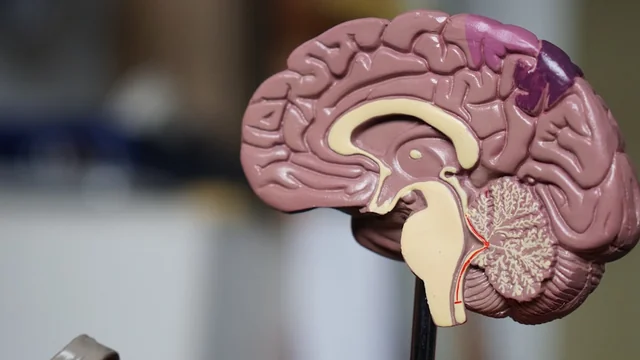
Thirst and hunger are both regulated by the hypothalamus — the small but extremely busy region of the brain that serves as the body's primary homeostatic regulator. The hypothalamus monitors blood osmolality (the concentration of solutes in the blood), blood volume, blood glucose, core temperature and a range of hormonal signals, and generates the sensations of thirst and hunger as outputs when corrective action is needed.
The proximity of the thirst and hunger control centres within the hypothalamus, combined with the fact that both regulate fluid and energy balance simultaneously, creates the conditions for mixed signals — particularly under conditions of mild, chronic dehydration. Several studies have documented that healthy adults often respond to thirst signals by eating rather than drinking, and that the reverse is also true — people sometimes drink when what they need is food. But the eat-when-thirsty direction appears to be more common in a food-abundant environment where reaching for a snack is often easier than finding water.
The Evidence for Misinterpretation
A notable study from the University of Washington asked participants to drink two cups of water before eating when they felt hungry at an unusual time. In 37 percent of cases, the hunger sensation passed — suggesting that what had been interpreted as a hunger signal was actually a hydration signal. This is a single study with a small sample, and the figure should not be taken as precise, but the phenomenon it documents is consistent with what physiologists would predict from the overlapping hypothalamic regulation of these two drives.
Research on older adults shows the problem is amplified with age. The perception of thirst diminishes significantly after around age 60 — older adults are systematically less accurate at recognising dehydration than younger adults, making the risk of chronic mild dehydration higher and the consequences — including increased risk of confusion, constipation, urinary tract infections and falls — more serious. Institutionalised older adults are particularly vulnerable.
What Mild Chronic Dehydration Actually Does
A body of research — including work from the Human Performance Laboratory at the University of Connecticut — has documented the effects of dehydration at levels as low as 1 to 2 percent of body weight. At this level of dehydration, which produces little or no perceptible thirst in young adults, measurable impairments in attention, working memory and psychomotor speed have been documented. Mood deteriorates — people become more irritable, more anxious and more prone to fatigue. Physical performance declines, particularly for endurance tasks. Headaches increase in frequency.
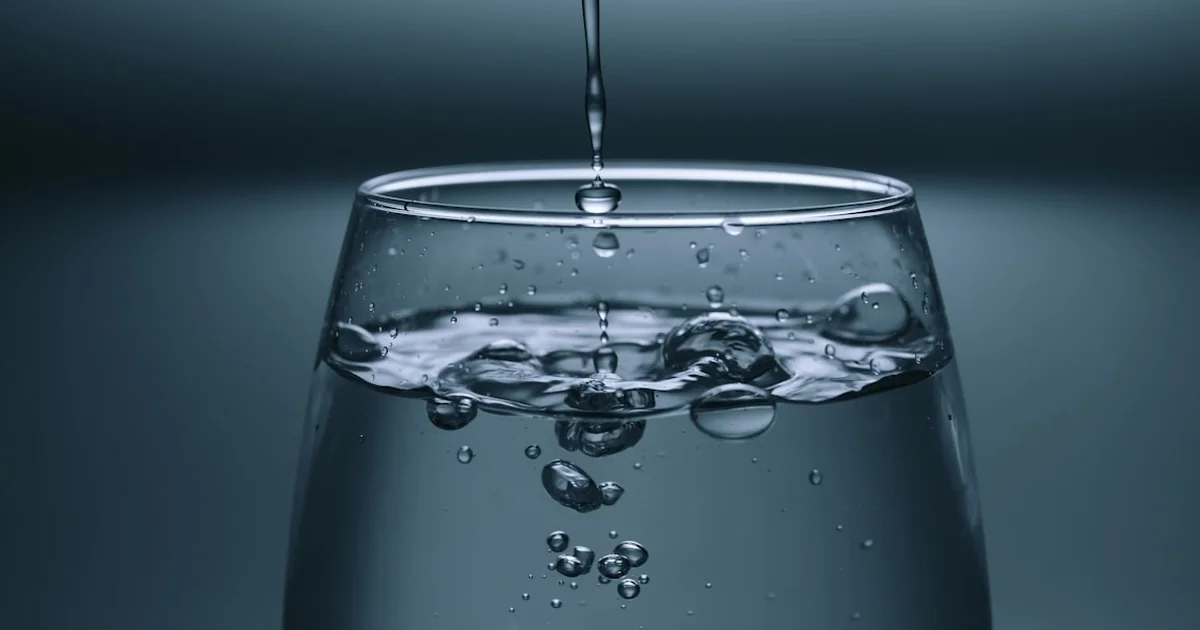
These are effects that most people attribute to other causes — a bad night's sleep, stress, the onset of illness — because the connection between inadequate water intake and cognitive or mood symptoms is not part of most people's mental health framework. The practical implication is not to drink excessive amounts of water, which has its own risks (hyponatraemia at very high intakes), but to drink enough that urine colour remains pale yellow rather than dark amber through most of the day, and to treat mild headache, low energy and afternoon cognitive fog as possible signals of dehydration before attributing them to more complex causes.