The Statistic That Surprises Almost Everyone
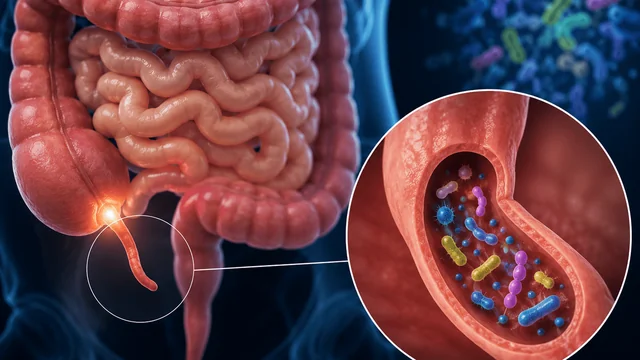
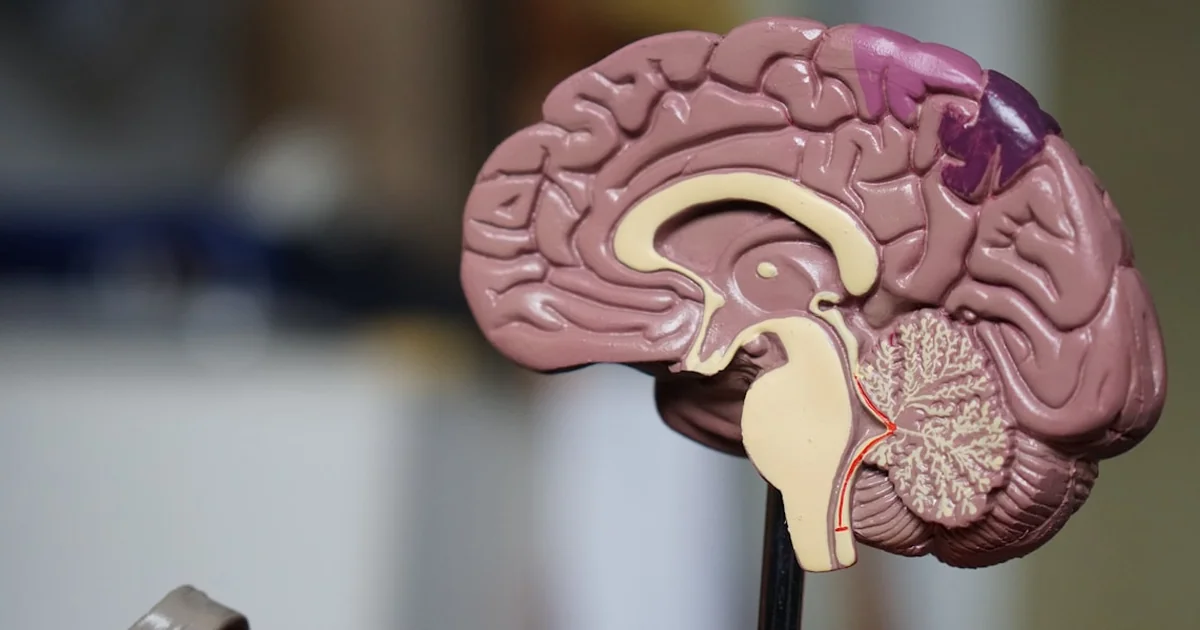
When most people think about serotonin, they think about the brain. They think about antidepressants that increase serotonin availability. They think about mood. What almost no one expects is that roughly 90 to 95 percent of the body's total serotonin is produced in the gut — specifically in the enterochromaffin cells lining the intestinal wall. The brain, for all its association with this molecule, manufactures a small fraction of the total supply.
This fact has been known to gastroenterologists for decades but has only recently started to shift how neuroscientists and psychiatrists think about mental health, digestive disorders and the relationship between what we eat and how we feel.
What Gut Serotonin Actually Does
The serotonin produced in the gut does not cross the blood-brain barrier — so it does not directly influence mood in the way that brain serotonin does. Instead, it serves a set of functions that are entirely specific to the digestive system. It regulates the speed of intestinal movement — how quickly food travels through the gut, when muscles contract, and how fluids are secreted into the intestinal lumen. When gut serotonin signalling goes wrong, the result is often constipation, diarrhoea, nausea or the alternating symptoms characteristic of irritable bowel syndrome.
Gut serotonin also communicates with the vagus nerve — the major nerve connecting the gut to the brain stem. About 90 percent of the fibres in the vagus nerve carry signals upward, from the gut to the brain, rather than downward. This means the gut is constantly sending information to the brain — about its environment, its contents and its state — and serotonin is a key chemical in that signalling system.
The Gut-Brain Axis and Mood
The relationship between gut health and brain function runs deeper than most people appreciate. The gut microbiome — the trillions of bacteria that inhabit the digestive tract — influences serotonin production in enterochromaffin cells. Certain bacterial strains promote serotonin synthesis; dysbiosis (a disrupted microbiome) tends to reduce it. Animal studies have found that germ-free mice — raised without any gut bacteria — show abnormal serotonin levels and behavioural changes that resemble anxiety and depression in human terms.
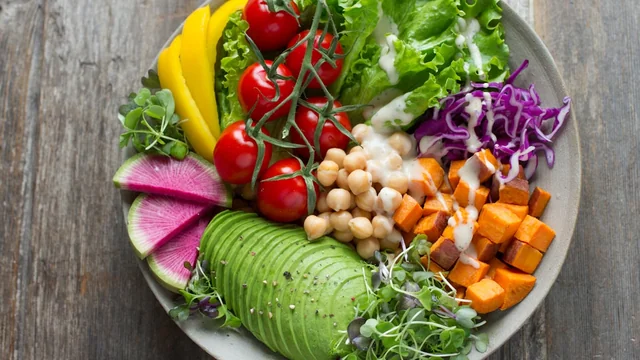
This does not mean that gut bacteria cause depression, or that eating yoghurt will cure it. The relationship is more nuanced and the human evidence is still building. But it does suggest that the microbiome is a participant in mood regulation, not merely a passenger. Large epidemiological studies have found associations between dietary patterns that support microbiome diversity — fibre-rich, varied, minimally processed — and lower rates of depression and anxiety. Causality is difficult to establish, but the biological mechanisms through which it could operate are increasingly well understood.
Why This Changes the Conversation About Antidepressants
SSRIs — selective serotonin reuptake inhibitors — work by increasing the availability of serotonin in the brain by blocking its reabsorption. They are among the most prescribed drugs in the world. Their primary focus is on brain serotonin, yet the gut has receptors for serotonin too — and SSRIs affect the gut as well as the brain. This is why gastrointestinal side effects (nausea, changes in bowel habits) are among the most common complaints when people begin taking SSRIs. The drug is acting on a serotonin system that extends far beyond the brain.
Some researchers now argue that understanding gut serotonin may eventually lead to treatments for depression that work via the gut rather than directly on the brain — an avenue that is currently being explored in early-stage research on psychobiotics and microbiome-targeted interventions.