📚 Fact Library
Medieval History
Browse 1 facts in History › Medieval History.
Category
🗂
All
🔬
Health
🏛️
History
🧠
Psychology
🔬
Science
🚀
Space
Subcategory
All
Ancient History
Astronomy
Body & Medicine
Brain & Cognition
Earth & Nature
Fitness & Exercise
Medieval History
Nutrition & Diet
Sleep & Mental Health
Search
Featured
 🔬 Science
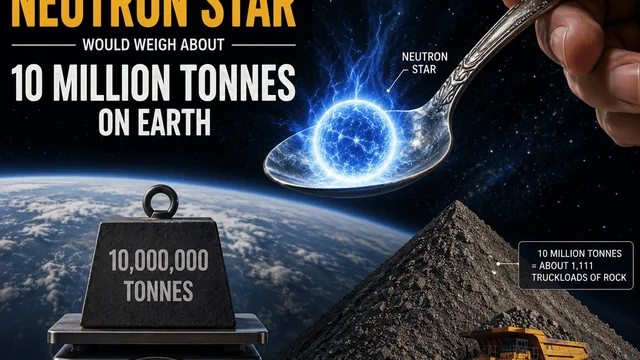
A teaspoon of a neutron star would weigh about 10 million tonnes on Earth
Neutron stars are the densest objects in the observable universe, packing more mass than our Sun into a sphere just 20 km across. The immense gravity compresses protons and electrons into neutrons.
→
 🧠 Psychology
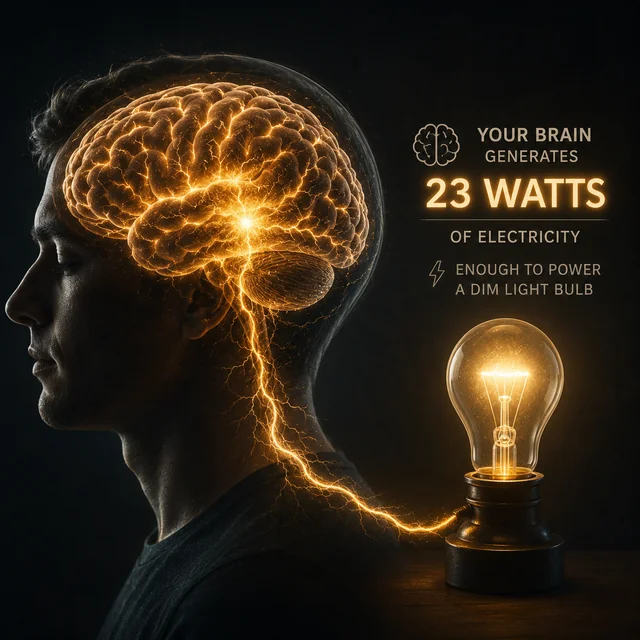
Your brain generates 23 watts of electricity enough to power a dim light bulb
86 billion neurons fire electrical signals up to 200 times per second. The brain consumes about 20 percent of the body total energy despite being only 2 percent of its weight.
→
All Facts
🔬 Science
→
A teaspoon of a neutron star would weigh about 10 million tonnes on Earth
Neutron stars are the densest objects in the observable universe, packing more mass than our Sun into a sphere just 20 km across. The immense gravity compresses protons and electrons into neutrons.
🧠 Psychology
→
Your brain generates 23 watts of electricity enough to power a dim light bulb
86 billion neurons fire electrical signals up to 200 times per second. The brain consumes about 20 percent of the body total energy despite being only 2 percent of its weight.

🏛️ History
→
Oxford University is older than the Aztec Empire by over 300 years
Oxford started teaching in 1096 AD. The Aztec Empire was founded in 1428 AD, making one of history greatest civilisations younger than a still-operating university.
🏛️ History
→
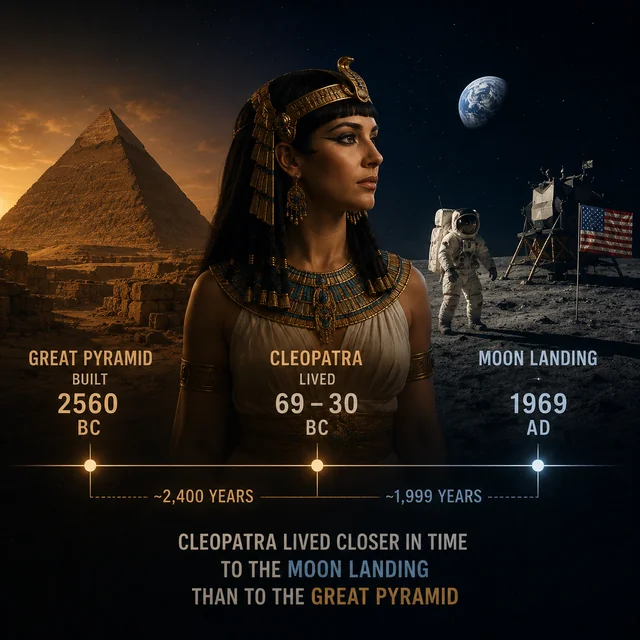
Cleopatra lived closer in time to the Moon landing than to the Great Pyramid
The Great Pyramid was built around 2560 BC. Cleopatra was born in 69 BC - 2491 years later. The Moon landing was 1969 AD - only 2038 years after Cleopatra. Modern history is surprisingly recent.
🚀 Space
→
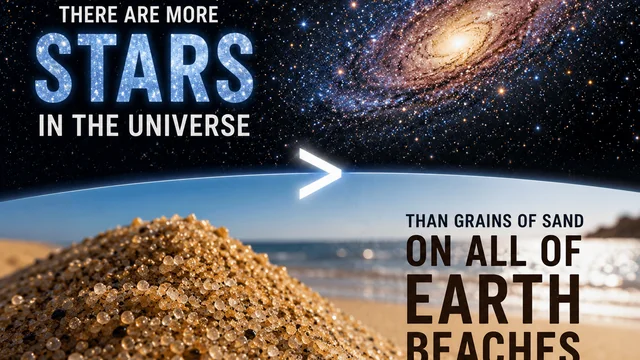
There are more stars in the universe than grains of sand on all of Earth beaches
Astronomers estimate there are around 10 to the power 24 stars in the observable universe, compared to roughly 7.5 times 10 to the power 18 grains of sand on Earth.

🔬 Health
→
Cold Water Swimming Changes Your Brain Chemistry Within Minutes
Regular cold water immersion triggers a measurable increase in dopamine and noradrenaline that can last for hours — a physiological response unlike almost any other everyday activity.

🔬 Health
→
Two Sauna Sessions Per Week Reduce Cardiovascular Death Risk by 27 Percent
A long-running Finnish study tracking over 2,000 men for more than two decades found that regular sauna use — particularly four to seven sessions per week — was associated with dramatically lower rates of heart disease and all-cause mortality.
🔬 Health
→
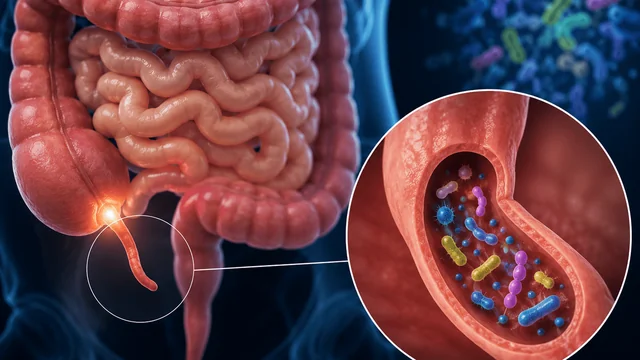
Your Appendix Is Not Useless — It Stores Beneficial Gut Bacteria
For over a century the appendix was dismissed as a vestigial organ with no function. More recent research suggests it acts as a safe house for beneficial gut bacteria, allowing the microbiome to repopulate after illness or antibiotic treatment.

🔬 Health
→
Sitting for More Than 8 Hours a Day Has the Same Risk Profile as Smoking
Large-scale studies have found that people who sit for eight or more hours daily without regular movement face cardiovascular and metabolic risks comparable to those associated with smoking — even if they exercise.

🔬 Health
→
Your Cortisol Peaks 30 Minutes After You Wake Up — Use It Wisely
Every morning your body triggers a surge of cortisol that peaks roughly 30 to 45 minutes after waking. This is not a stress response — it is your body's natural system for priming alertness, and timing your morning around it makes a measurable difference.

🔬 Health
→
Mouth Breathing at Night Quietly Damages Your Health Over Years
Breathing through your mouth while you sleep seems harmless, but chronic mouth breathing is linked to higher blood pressure, worse sleep quality, dental decay and even changes to facial structure in children.
🔬 Health
→
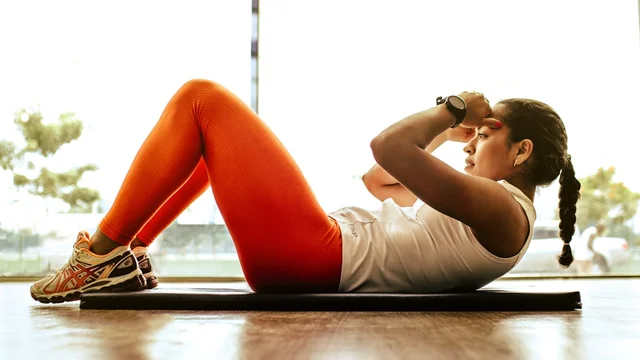
Nasal Breathing During Exercise Significantly Improves Endurance and Recovery
Breathing through the nose during physical activity — even at moderate intensity — increases nitric oxide production, improves oxygen uptake efficiency and activates the parasympathetic nervous system more effectively than mouth breathing, with measurable effects on endurance and post-exercise recovery.

🔬 Health
→
Skin Inflammation and Stress Are Directly Linked Through the Nervous System
The skin and the brain share a common developmental origin. Stress signals travel along nerves directly to skin cells, triggering inflammation responses that worsen conditions like eczema, psoriasis and acne — explaining why flare-ups so reliably follow stressful periods.
🔬 Health
→
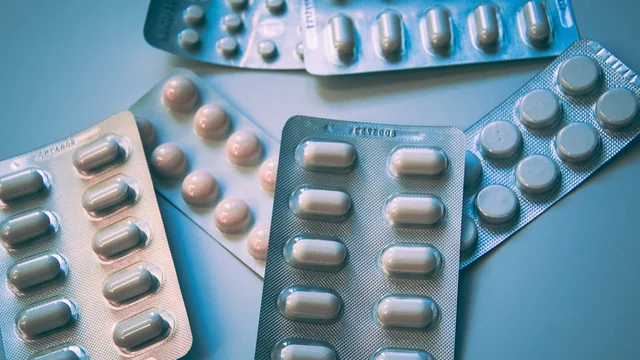
The Placebo Effect Works Even When Patients Know They Are Taking a Placebo
In a series of studies known as open-label placebo trials, patients were told explicitly that they were receiving a sugar pill with no active ingredient — and still reported significant improvement. The brain's expectation of relief appears to be enough to generate measurable physiological change.

🔬 Health
→
The Human Immune System Has a Memory That Lasts a Lifetime
When your immune system encounters a pathogen, it does not just fight it — it creates memory cells that can recognise the same threat decades later. Some immune memories from childhood infections have been found to persist for 90 years or more.
🔬 Health
→
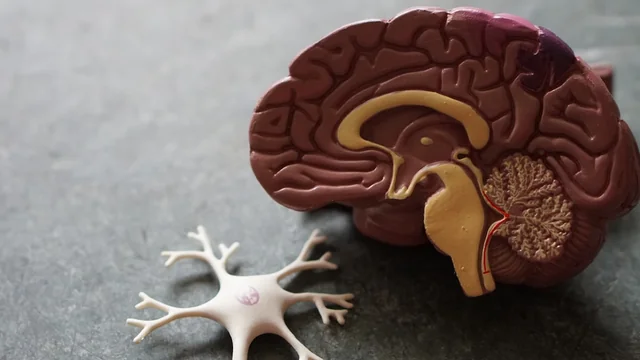
Your Heart Rate Variability Is a Window Into Your Nervous System Health
Heart rate variability — the tiny fluctuations in time between heartbeats — reflects the balance between your sympathetic and parasympathetic nervous systems. Low HRV is consistently associated with stress, poor recovery, cardiovascular risk and reduced life expectancy.
🔬 Health
→
Blue Light After Sunset Delays Your Sleep Clock by Up to 3 Hours
The short-wavelength blue light emitted by phones, tablets and LED lighting suppresses melatonin production far more powerfully than natural light at the same intensity — shifting the internal body clock and making it physically harder to feel sleepy.
🔬 Health
→
Grip Strength Is One of the Best Predictors of Long-Term Health Outcomes
Multiple large-scale studies have found that hand grip strength predicts cardiovascular disease risk, cognitive decline, hospitalisation outcomes and all-cause mortality more reliably than many standard clinical measures — making it one of the simplest and most overlooked health indicators.
🔬 Health
→
Chronic Dehydration Is Often Misread by the Body as Hunger
The hypothalamus — the brain region that regulates both thirst and hunger — can send mixed signals when the body is mildly dehydrated, leading people to eat when what they actually need is water. Studies suggest this confusion contributes to overeating in a large proportion of cases.
🔬 Health
→
Walking Just 11 Minutes a Day Is Enough to Lower Premature Death Risk
A major analysis of over 196 published studies found that 11 minutes of moderate-intensity walking per day was sufficient to reduce the risk of premature death, heart disease and several cancers — no gym required.
🔬 Health
→
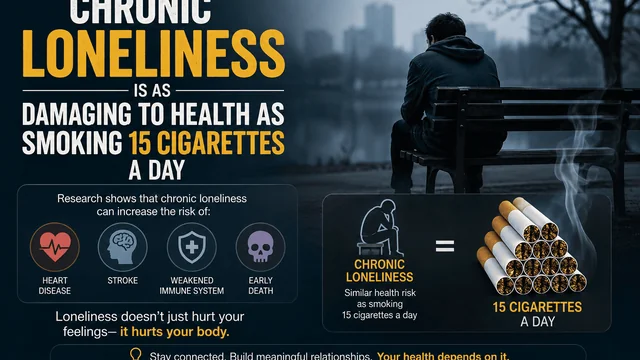
Chronic Loneliness Is as Damaging to Health as Smoking 15 Cigarettes a Day
Public health researchers have described loneliness as a global epidemic. The physiological toll — raised inflammation, disrupted sleep, weakened immunity and accelerated cognitive decline — is comparable to some of the most well-documented health risks in medicine.
🔬 Health
→
Magnesium Deficiency Is Far More Common Than Most Doctors Check For
An estimated 50 to 60 percent of adults in Western countries consume less magnesium than recommended daily, yet standard blood tests miss most cases because only 1 percent of the body's magnesium is in the bloodstream.
🔬 Health
→
The Gut Produces 95% of Your Body's Serotonin — Not the Brain
Serotonin is widely known as a brain chemical, but the vast majority of it is manufactured in your digestive tract — a finding that reshapes how scientists think about mood, digestion and mental health.

🔬 Health
→
Your Body Repays Sleep Debt — But Not the Way You Think
You can sleep in on weekends to catch up on lost sleep, but research shows the damage from chronic sleep deprivation runs deeper than a few extra hours can undo.

🔬 Health
→
Fasting for 16 Hours Triggers Cellular Repair Processes That Cannot Be Activated Any Other Way
After roughly 14 to 16 hours without food, the body activates autophagy — a cellular recycling process that breaks down damaged proteins and dysfunctional cell components. This process, which won the 2016 Nobel Prize in Medicine, is not meaningfully triggered by any food or supplement.
🔍
No facts found
Try a different category or search term.